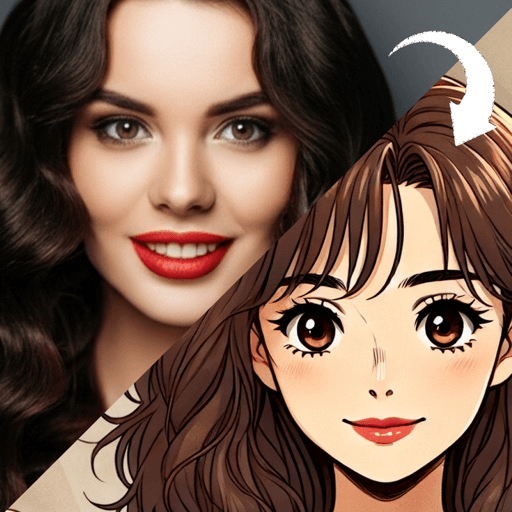
The look
- A soft pencil or ink outline that stays visible under the color.
- Warm, slightly muted paint with visible brush or crayon texture.
- Simplified, friendly proportions with a slightly larger head.
- A drawn setting around the figure instead of a blurred photo background.
- Even page-like lighting with no harsh highlight.
Where it comes from
Children's literature became a distinct form in the second half of the eighteenth century, and Britannica follows the illustrated picture book from there. Library of Congress material on the earliest picture books shows text and woodcut images set together for young readers a century before that. Britannica puts the picture book proper at the point where the illustrations counted for as much as the text, helped along by technical advances in printing and a growing middle class market. The conventions this style still uses settled there: a drawn outline, flat warm color inside it, a whole scene rather than a portrait crop, and figures simplified enough for a child to read at a glance.
What it suits
- A gift print for a child's room
- New baby and christening cards
- Family portraits for a holiday card
- Personalized book plates and bookmarks
How to shoot for it
- Photograph in soft daylight; the style has no room for a hard flash highlight.
- Include shoulders and a little of the setting so a scene can be built around you.
- A calm, warm expression suits the format better than a big grin.
- Uncluttered clothing in one or two colors keeps the painted fills readable.
Related styles
- Watercolor portrait: A watercolor portrait keeps your face recognizable while letting the edges go soft.
- Retro cartoon filter: A retro cartoon filter flattens your photo into the look of television animation: a heavy black outline, a small set of flat colors filled inside it, and almost no shading.
- Pencil sketch filter: A pencil sketch filter reduces your photo to graphite on paper.